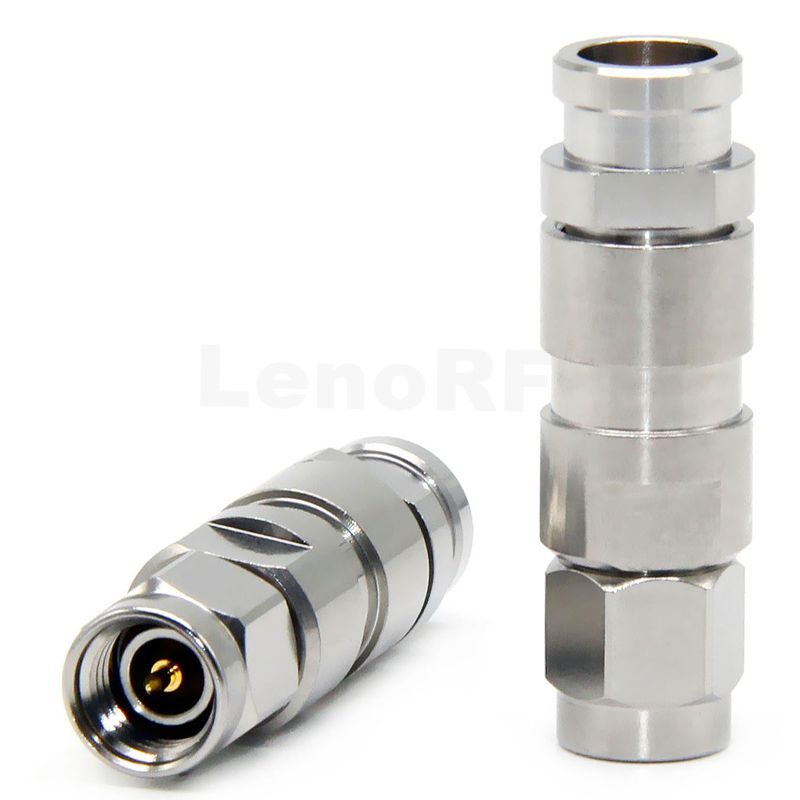
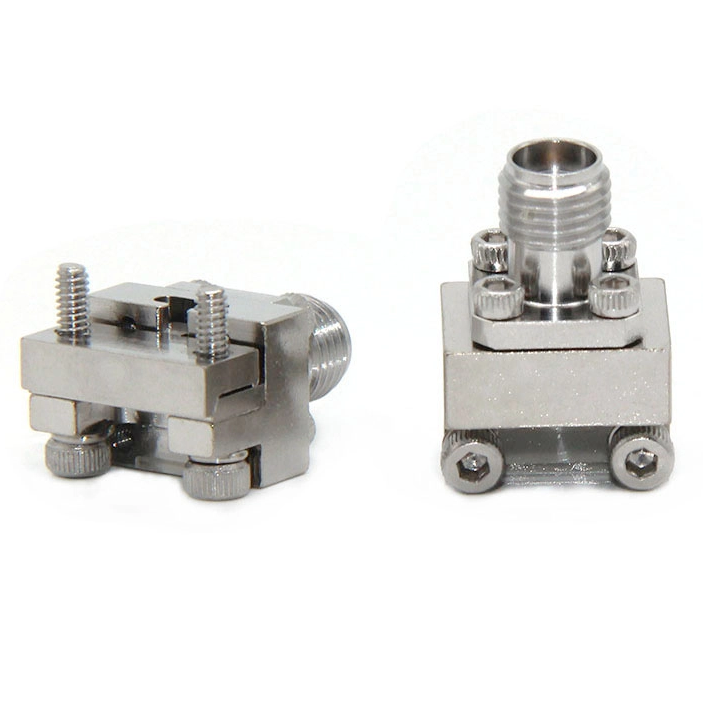
You can connect an SMA connector to a 2.92 mm or 3.5 mm connector, but there are risks. In high-frequency rf uses, the signal can get worse if you use a high-quality male connector with a low-quality female connector. If you use a low-quality male connector, you might break important parts. The quality of the connector is very important. You should always check if rf connectors match and follow good rules to keep your equipment safe and your signal strong.
Key Takeaways
SMA connectors can connect to 2.92 mm and 3.5 mm connectors, but quality is important. Always pick good connectors so you do not break them.
Using different connector types can cause signal loss and damage. Make sure connectors match before you connect them.
Use a torque wrench to tighten connectors the right way. This keeps connectors safe and makes the connection strong.
Check connectors often for signs of wear or damage. Change any broken connectors to keep the signal working well.
Pick connectors based on what you need, matching impedance, and good materials for best results.
RF Connector Compatibility
SMA and 3.5 mm

You can connect an SMA connector to a 3.5 mm connector. Both connectors have similar thread sizes and basic shapes. This means you can join them easily. The 3.5 mm connector has a thicker outside part and is made with more care. These features make the 3.5 mm connector stronger and last longer. The 3.5 mm connector works well even after many uses. SMA connectors are not as tough as 3.5 mm connectors. If you use a low-quality SMA connector with a good 3.5 mm connector, you might hurt the 3.5 mm connector. Always check the quality of your rf connector before connecting them. Mixing these rf connectors can cause trouble, especially when using high-frequency rf.
SMA and 3.5 mm connectors can fit together.
3.5 mm connectors are made with tighter rules and thicker parts.
SMA connectors are not as strong as 3.5 mm connectors.
Connecting different types can damage connectors and hurt the signal.
Tip: Always pick good rf connectors and do not mix types unless you need to. This keeps your rf coaxial connector safe and your signal clear.
SMA and 2.92 mm

You can connect SMA connectors to 2.92 mm connectors. Both connectors fit, but you need to be careful. The 2.92 mm connector can handle higher frequencies and is made with more care than the SMA connector. If you connect a bad SMA connector to a good 2.92 mm connector, you might break the 2.92 mm connector. You could also lose signal or see problems. The table below shows the risks when you connect these rf connectors:
Connector Type | Mating Compatibility | Risk Level |
SMA (Male) with 2.92mm (Female) | ⚠️ | Caution – Performance & Damage Risk |
2.92mm (Male) with SMA (Female) | ⚠️ | Caution – Performance & Damage Risk |
Always check if your rf connector matches and is good quality before connecting. If you use these rf connectors for high-frequency rf, you might see the signal get worse. You should look at your rf coaxial connector for damage after each use.
3.5 mm and 2.92 mm
You can connect 3.5 mm connectors to 2.92 mm connectors. Both connectors are made with care and are strong. The 3.5 mm connector works up to 34 GHz. The 2.92 mm connector works up to 40 GHz. You can use these rf connectors together for high-frequency rf jobs. The table below shows how much frequency they support:
Connector Type | Frequency Support |
3.5 mm | Up to 34 GHz |
2.92 mm | Up to 40 GHz |
3.5 mm and 2.92 mm connectors fit together well.
Both connectors work with high-frequency rf signals.
You can use these rf coaxial connectors and cables for tough rf jobs.
Note: Always use good rf connectors and check if they match. This helps keep your signal strong and your equipment safe.
Risks of Mixing RF Coaxial Connectors
Mechanical Risks
If you mix different rf coaxial connectors, you can have mechanical problems. The biggest problem is bad contact between the inside and outside parts. When you use an SMA connector with a 3.5 mm or 2.92 mm connector, you might see bending, scratches, or damage to the outside layer. SMA connectors have thin walls, so they can bend or break easily. If you twist the connector too much, the end can get bent. This can hurt the inside part or the piece that holds it. If you twist or pull the connector a lot, the inside part can get loose or fall out.
The outside part can get bent.
Scratches and damage can happen if you twist too hard.
The inside part can get loose or fall out.
The connection can get worse.
If you use a cheap SMA connector with a good 3.5 mm connector, the 3.5 mm connector can wear out faster. You should use a special tool to make sure you do not twist too much. Always look at your connectors for damage and keep them safe with caps.
Connector Pairing | Risk of Damage | Performance Impact |
SMA Male with 3.5mm Female | High risk of physical damage | Limited performance due to lower-grade female |
3.5mm Male with SMA Female | Lower risk of physical damage | High risk of performance degradation |
Tip: Always check if your connectors fit together before you use them. This helps stop damage and keeps your rf connector working well.
Electrical Performance and RF Signal Integrity
Mixing connectors can cause big problems for rf signal quality. If connectors do not fit right, there can be gaps or bad matches. These problems can make the signal weaker and cause more signal loss. If you use SMA and 2.92 mm connectors together, you might see small gaps that mess up the signal. These gaps can make your measurements wrong and make your system work worse. You might lose more signal at high frequencies. This can make cables work badly and make it hard to keep the signal strong.
You need to think about matching the connectors’ impedance. Bad matches can bounce the signal back and cause more loss. At high frequencies, even small problems can make the signal much worse. You should always use the right rf coaxial connector for your job. This keeps signal loss low and your measurements correct.
Signal loss gets worse with bad connector matches.
More signal is lost when connectors do not fit well.
Bad matches can bounce the signal back.
High-frequency jobs have more problems with bad matches.
Note: Always check your connectors for damage or wear. This helps keep your rf signal strong and clear.
Long-term Reliability
If you keep mixing SMA, 3.5 mm, and 2.92 mm connectors, your connectors will not last as long. SMA connectors are not made to be connected and disconnected a lot. Over time, you might see the threads get damaged and the connection get worse. Bad connections can also make the connectors wear out faster, which means more signal loss. This can make your rf measurements wrong and your system work worse.
SMA connectors wear out faster if used a lot.
Threads and connections get worse over time.
Use a special tool to stop twisting too much and hurting the threads.
If you do not connect SMA and 2.92 mm connectors the right way, they might not fit well. This can make them wear out faster and not last as long. If you want your connectors to work well for high-frequency or high-power jobs, always use the right kind and check them often.
Warning: If you do not follow good rules, you can break your connectors and lose signal quality over time.
Best Practices for RF Connector Mating
Safe Mating Procedures
It is important to follow safe steps when connecting rf connectors. Always use a torque wrench that is set right. The torque should be between 7 and 10 in-lb. This makes the connection tight but does not hurt the threads or inside parts. If you do not tighten enough, the connection can be weak. If you tighten too much, you can bend or break the connector. Always line up the connectors before you screw them together. This stops the threads from getting messed up. Do not use too much force. This keeps the connector safe and helps the rf signal stay strong.
Use a torque wrench to tighten connectors.
Line up connectors before screwing them together.
Do not use too much torque.
Never force connector adapters.
Tip: If you follow these steps, your rf connector will stay safe and your signal will be good.
Inspection and Maintenance
You should check rf connectors often. Look for bent pins, broken insulators, or worn threads. If you see a problem, change the connector right away. SMD SMA connectors can get damaged by stress or heat changes. Always do what the maker says for handling and soldering. If the connector has high resistance, it could have a bent pin or dirt inside. If you notice a big jump in return loss, look for a cracked inside part. This happens a lot with SMA female connectors.
Note: Checking your connectors often helps them work well and keeps your signal strong.
High-Frequency Application Tips
You need to pick the right connector for high-frequency rf jobs. Think about what you need for your job, if the impedance matches, and what the connector is made of. Make sure the connector fits the cable and the system. Think about how much power it can handle and how long it will last. Buy connectors from companies you trust. If you use frequencies over 18 GHz, you might need stronger connectors. The table below shows what to think about for high-frequency jobs:
Factor | Description |
Application Requirements | Think about where you use it and how reliable it must be. |
Impedance Matching | Make sure the connector matches the system’s impedance (usually 50Ω). |
Connector Material and Plating | Pick materials that last long and carry signals well. |
Connector Configuration | Choose the right shape for your setup. |
Cable and Interface Compatibility | Make sure the connector and cable fit for less signal loss. |
Cost and Lifecycle Considerations | Balance price and how long it will last. |
Vendor Reputation | Buy from good companies for better quality and help. |
You can see the highest frequency for each connector type in the chart below:
Make sure the connector matches the line’s impedance.
Check if the connector can handle the power.
Pick materials that work well with heat and electricity.
Make sure connector adapters fit together.
Check if the connector is strong and easy to use.
Callout: If you follow these best practices and pick good connectors, you keep your rf connector and signal safe for high-frequency jobs.
You can use SMA, 3.5 mm, and 2.92 mm connectors together if you follow the right rules. Always use connectors that are the same quality. Do not mix cheap connectors with better ones. Use connector savers to protect important metrology-grade ports.
Check and clean your connectors a lot.
Put dust caps on connectors and keep them in dry places.
Line up connectors before connecting and use the right amount of force.
These steps help your RF signal stay strong and keep your equipment safe.
FAQ
Can you use SMA connectors with 3.5 mm or 2.92 mm connectors every day?
You can connect them, but you should not do it often. Mixing them can wear out the connectors faster. Use the same type when possible to keep your equipment safe.
What happens if you use a low-quality SMA connector with a high-quality 2.92 mm connector?
You might damage the 2.92 mm connector. The signal can get worse, and you may need to replace the connector sooner.
How do you know if your RF connectors are damaged?
Check for bent pins, loose parts, or scratches. If you see any of these, stop using the connector. Replace it to keep your signal strong.
Why does signal loss happen when mixing connector types?
Signal loss happens because the connectors do not fit perfectly. Small gaps or bad matches can weaken your signal, especially at high frequencies.
What is the best way to keep your connectors working well?
Use a torque wrench to tighten connectors.
Clean and inspect them often.
Store connectors with dust caps.
Only use high-quality connectors from trusted brands.