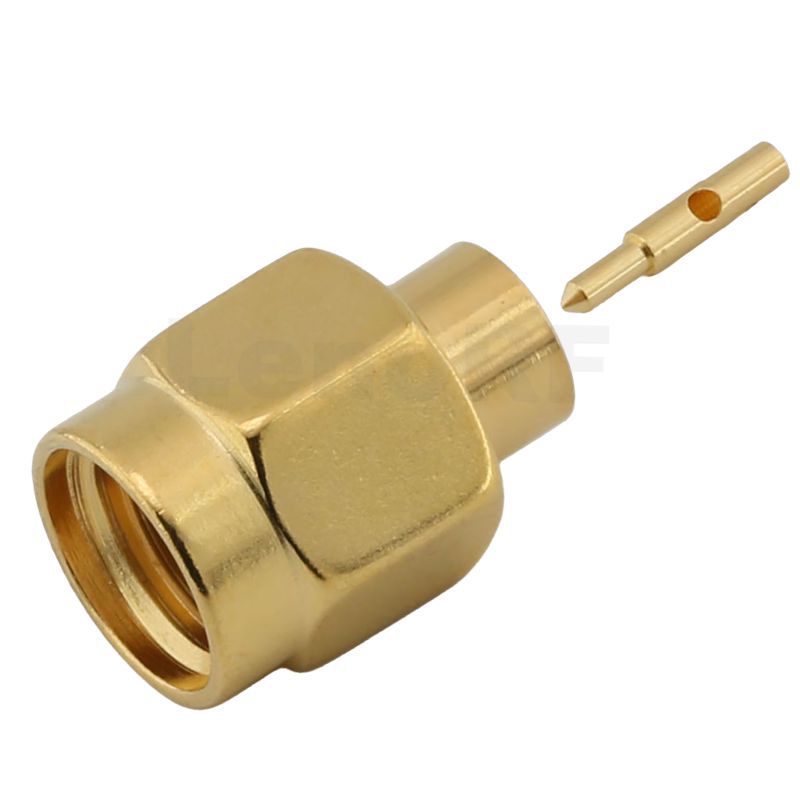
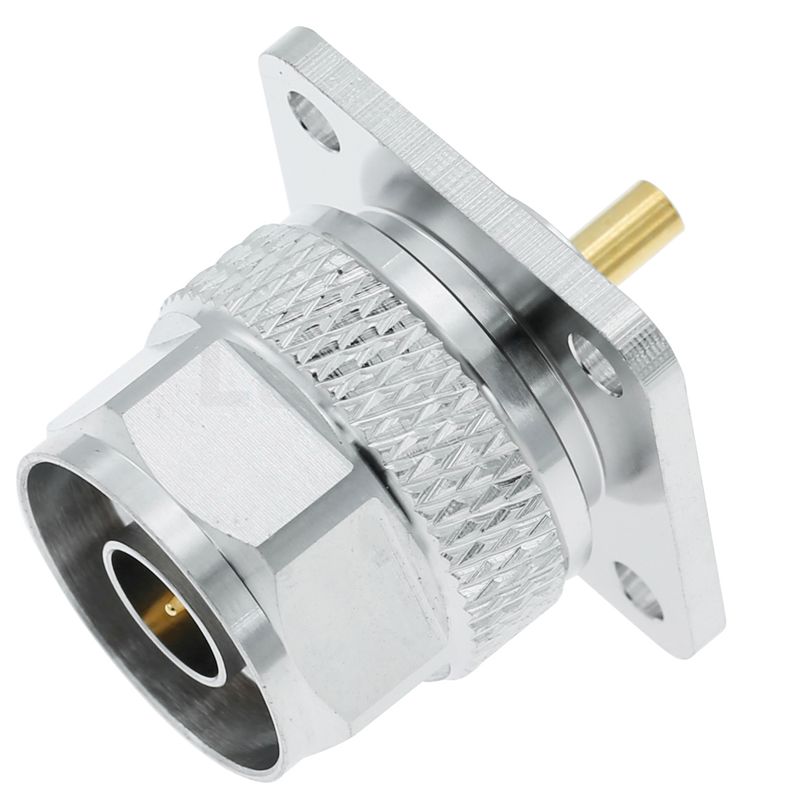
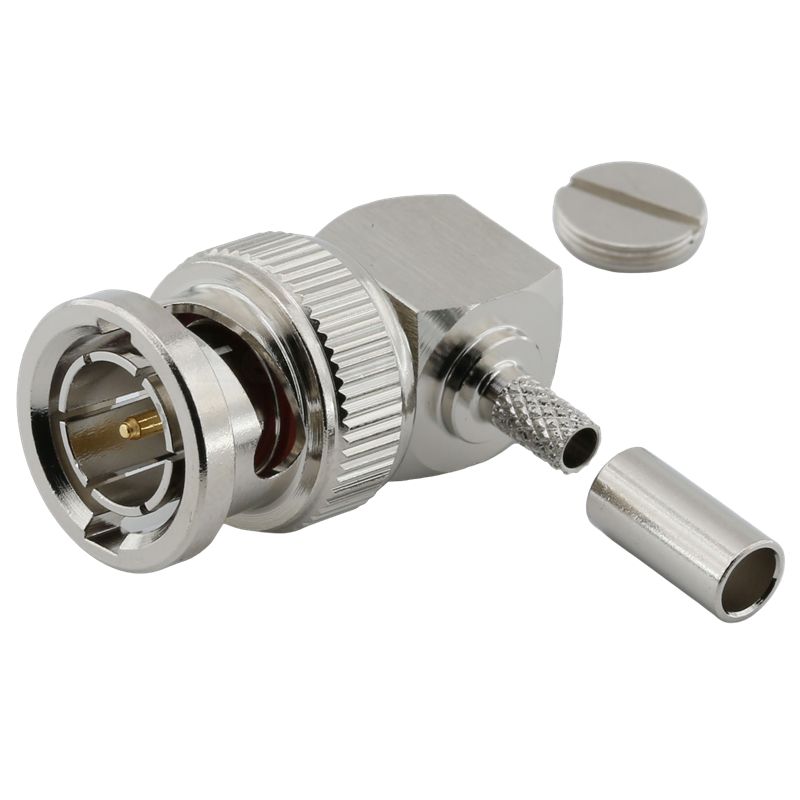
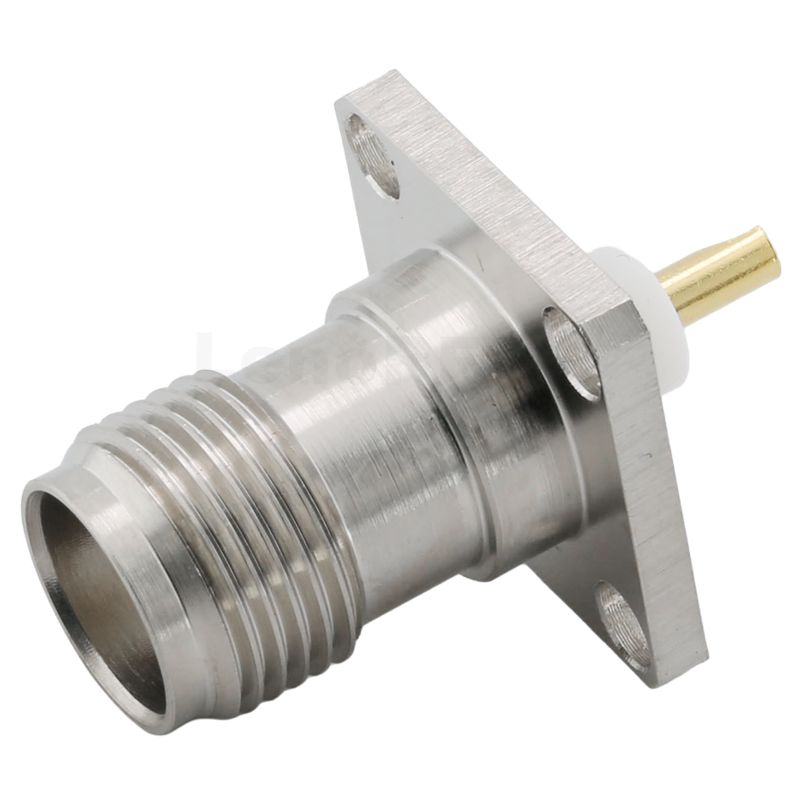
You need to choose the right RF connector for your project. SMA connectors are good for high-frequency jobs like WiFi, GPS, and radio astronomy. N-Type connectors are best for outdoor and high-power systems. They work well with antennas and base stations. BNC connectors are used for quick-connect jobs in labs. They are also used in test equipment and video surveillance. TNC connectors are made for places with lots of vibration. They are often used in aerospace and vehicle communications.
Connector Type | Typical Applications |
SMA | WiFi, Bluetooth, GPS, radio astronomy |
N-Type | Base stations, antennas, outdoor systems |
BNC | Oscilloscopes, video surveillance, test equipment |
TNC | Aerospace, vehicle communications, harsh environments |
Pick the connector that fits your frequency, power, and environment needs.
Key Takeaways
Pick SMA connectors for high-frequency jobs in small gadgets like WiFi and GPS.
Go with N-Type connectors for outdoor and strong power systems. They work well in hard weather.
Use BNC connectors for fast connections in labs and video setups. They are good for low-power uses.
Choose TNC connectors where there is lots of shaking. They keep connections steady and safe.
Make sure the connector’s frequency and impedance fit your system. This helps stop signal loss.
RF Connector Types Comparison
Key Features Overview
It is important to know the main features of each rf connector type before picking one. The table below shows how SMA, N-Type, BNC, and TNC connectors are different in frequency range, size, power, and common uses.
Connector Type | Frequency Range | Size Comparison | Power Handling | Typical Use Cases |
SMA | DC to 18 GHz (up to 26.5 GHz for precision) | Smaller and more compact | Low to medium | GPS, WLAN, small RF gadgets |
N-Type | DC to 11 GHz (up to 18 GHz for precision) | Larger, rugged | High | Outdoor antennas, cell towers, radar |
BNC | DC to 4 GHz | Larger, robust | Low | Lab equipment, audio-visual, test benches |
TNC | DC to 11 GHz | Similar to BNC, threaded | Medium | Mobile, military, vibration-prone environments |
SMA connectors are best for high-frequency rf signals and small devices. N-Type connectors are good for high power and tough outdoor places. BNC connectors are used for indoor jobs with low power and fast connections. TNC connectors are strong against shaking and weather, so they are great for mobile and military uses.
Application Suitability
You need to pick the rf connector type that matches your needs. SMA connectors are good for small devices and high-frequency jobs. N-Type connectors are best for outdoor rf networks and high-power systems. BNC connectors are easy to use in labs because you can connect and disconnect them fast. TNC connectors stay tight in places with lots of shaking.
Choose SMA if you want a small connector and high-frequency signals.
Pick N-Type for outdoor, high-power, and tough jobs.
Use BNC for indoor, low-power, and everyday setups.
Select TNC when you need something that can handle shaking.
Tip: Always check the frequency and power needs of your rf project before picking a connector. The right connector helps your signal stay strong and your device work well.
SMA RF Connector

SMA Features
If you use devices that need high-frequency signals, the sma connector is a good choice. It is small, so it fits in tight spaces. The threaded coupling keeps the connection safe and steady. You can move the device, and the connector stays in place. This connector works well up to 18 GHz. Some versions can handle even higher frequencies. It has low signal loss because of its low VSWR. This means your rf signals stay strong. The sma connector lasts a long time. It uses tough materials and can be connected many times.
Small size fits tight spaces and small devices
Threaded coupling keeps the connection safe
Works with high frequencies up to 18 GHz or more
Low VSWR means less signal loss and better power transfer
Strong design for many uses
Tip: If you need a connector for high-frequency rf signals in a small device, sma connectors are a great pick.
SMA Pros and Cons
Think about the good and bad points before you pick sma connectors for your project.
Advantages | Disadvantages |
Small size, light weight | Not very strong |
Handles high frequencies (up to 18 GHz) | Not good for lots of connecting and disconnecting |
SMA Applications
Sma connectors are used in many fields because they are small and work well. In telecommunications, you see them in Wi-Fi antennas, cell base stations, and satellite systems. Test equipment like oscilloscopes and spectrum analyzers use sma connectors for accurate rf readings. Aerospace and defense systems use sma for radar and communication tools. Medical devices that use rf signals also use sma connectors. In cars, sma helps with driver-assistance systems. Some high-end electronics use sma for strong, high-frequency connections.
Telecommunications: Wi-Fi antennas, cell base stations, satellite systems
Test and measurement: Oscilloscopes, spectrum analyzers, network analyzers
Aerospace and defense: Radar, avionics, military communications
Medical: Diagnostic and treatment rf devices
Automotive: Driver-assistance systems (ADAS)
Consumer electronics: High-end networking equipment
N-Type RF Connector

N-Type Features
The type n connector is great for tough jobs. It can handle lots of power, even hundreds of watts. You can use it outside because it is strong and resists bad weather. Standard type n connectors work up to 11 GHz. Precision models can go up to 18 GHz. It keeps a steady 50 Ω impedance, so your signal stays clear.
Handles lots of power, good for hundreds of watts
Made for outdoor use with a strong body
Standard models work up to 11 GHz; precision ones up to 18 GHz
Keeps a steady 50 Ω impedance for good rf signals
If you need a connector that works in bad weather and gives high power, the type n connector is a smart pick.
N-Type Pros and Cons
Think about the good and bad sides before you pick the type n connector.
Pros | Cons |
Very strong and resists weather | Costs more |
Saves space and fits well | Makes systems more complex |
Works in many different setups | Might be more than you need |
Keeps signals clear and strong | N/A |
The type n connector is very tough and protects your rf system from weather. It also keeps your signal strong and works in many ways. But it can cost more and make your system harder to build. Sometimes, you might use a connector that is too much for your needs.
N-Type Applications
You see the type n connector in lots of military and business systems. Engineers use it in military and aerospace because it works well in hard places. It is used in avionics, radar, secure communications, GPS, and data links. The type n connector is important for antennas and sensor arrays in UAVs, military radios, and satellite terminals. In telecommunication networks, you find it on cell towers and base stations. It helps with high-power and high-frequency rf jobs, like 4G/LTE and 5G small cells.
Military and aerospace: works well in tough places
Avionics, radar, secure communications, GPS, and data links
Antennas and sensor arrays for UAVs and satellites
Cell towers, base stations, and telecom networks
High-power, high-frequency rf systems up to 11 GHz
Pick the type n connector when you need a strong, high-power connector for your rf project.
BNC Connector Overview

BNC Connector Features
The bnc connector is used a lot in labs and video systems. It is simple to use. The bayonet-style coupling lets you connect and disconnect fast. This is helpful if you work in small spaces or need to change cables quickly. The locking part keeps the connection steady. This stops signal loss and interference. The bnc connector matches impedance well, with 50 or 75 ohms. This helps rf signals move efficiently. The shielding on the outside protects your signal from outside electromagnetic fields. This is important for keeping signals clean.
Feature | Description |
Ease of Use | Bayonet-style coupling for quick, simple connections in tight spaces |
Reliability | Secure locking mechanism reduces signal loss or interference |
Good Impedance Matching | 50 or 75 ohms minimizes signal reflections for efficient transfer |
Effective Shielding | Outer conductor shielding protects against external electromagnetic fields |
You can count on the bnc connector for fast and stable connections in many rf jobs.
BNC Connector Pros and Cons
When picking bnc connectors, you should know the good and bad points. The bayonet coupling makes them easy to use. But you might lose signal at high frequencies. The pins can bend if there is a lot of shaking. BNC connectors are bigger than newer types. They may not fit in small devices. The first cost is low, but you may pay more for fixing and replacing them later. Mixing different bnc connectors can cause impedance mismatches. This leads to signal distortion.
Signal loss can happen at high frequencies
Pins can bend in places with lots of shaking
Bigger size makes it hard to use in small designs
Maintenance and replacement costs can increase
Mixing connector types can cause signal distortion
If you need quick connections in labs or video setups, bnc connectors are a smart choice. For high-frequency or shaking jobs, you may want another rf connector.
BNC Connector Applications
The bnc connector is used in many areas. In video jobs, it connects CCTV systems and professional video equipment. Older broadcasting setups use bnc connectors for sending video signals. In rf jobs, you use them to connect antennas to radio transceivers. Test equipment like oscilloscopes and spectrum analyzers use bnc connectors for accurate rf measurements. Wireless networking uses bnc connectors to connect external antennas and boost signals.
Video jobs: CCTV systems, professional video equipment, broadcasting
RF jobs: Antenna connections for radio transceivers
Test and measurement: Oscilloscopes, spectrum analyzers
Wireless networking: External antenna connections
You can trust the bnc connector for quick and reliable connections in video, rf, and lab equipment.
TNC RF Connector

TNC Features
The TNC connector uses a screw fitting. This makes the connection more stable than bayonet fittings. It helps stop resistance changes from vibration. This keeps noise low and makes performance better, especially at high frequencies. The tnc connector works up to 18 GHz. That is higher than many other rf connectors. You can trust it to give reliable signals in tough places.
TNC Pros and Cons
Picking a tnc connector gives you some good points. The threaded coupling keeps the connection tight, even if things shake or move. It also works well at high frequencies. But the screw fitting takes longer to connect or disconnect than quick-lock types. The tnc connector is a bit bigger than some small connectors. It may not fit in tiny devices.
Pros:
Strong mechanical stability
Works well in high-vibration settings
Handles frequencies up to 18 GHz
Cons:
Tip: Use a tnc connector when you need a secure and stable rf connection in places where vibration is a problem.
TNC Applications
You see tnc connectors in many important rf systems. They are used in military and avionics equipment. These places need strong connections between subsystems. Radar systems use tnc connectors because they work well at high frequencies. You also find them in general rf setups where you need strength.
Application Area | Why Use TNC Connector? |
Military/Avionics | Withstands vibration and physical stress |
Radar Systems | Reliable at frequencies up to 18 GHz |
General RF Systems | Offers secure connections in tough environments |
The tnc connector gives you peace of mind. It will not loosen or fail, even in harsh conditions.
Choosing the Right RF Connector
Lab and Test Equipment
You need the right rf connector for lab work. It helps you get accurate results. The connector must fit your frequency and last long. If your signals are high-frequency, pick a connector with a higher cut-off frequency. This stops signal loss and keeps your measurements good. Impedance matching matters too. Most rf systems use 50 Ohm connectors. Video systems use 75 Ohm connectors. Always check how much power the connector can handle. Bigger connectors handle more power because their pins are larger and stronger.
Here is a table to help you pick:
Criteria | Description |
Operating Frequency | The connector's cut-off frequency should be higher than your signal. |
Impedance Matching | Match the connector impedance to your system (50 Ohm for rf, 75 Ohm for video). |
Power Handling | Use bigger connectors for high-power jobs. |
Environmental Factors | Pick connectors that resist temperature changes and shaking. |
Cost and Size Constraints | Use small connectors for tight spaces or cheaper ones for budget projects. |
BNC connectors are good for quick connections in labs. They are easy to use and fit most test tools. If you need higher frequency or more strength, sma connectors are better. Always check the datasheet for the connector type. This helps you avoid mistakes with frequency or impedance.
Tip: Double-check the connector's frequency and impedance before buying. This helps you avoid weak or messed up signals.
Outdoor and High-Power Systems
Outdoor and high-power systems need tough connectors. Look for connectors with high IP ratings. This protects against dust and water. The connector must also handle hot and cold weather. Use materials that do not rust or break easily. Shock and shaking can cause problems, so pick connectors with strong locks.
Here is a table of important things:
Factor | Description |
IP Ratings | Shows how well the connector protects against dust and water. |
Temperature Extremes | The connector must work in hot and cold weather. |
Shock and Vibration | Strong locks keep the connection safe during movement. |
Corrosion Resistance | Use connectors that do not rust or break outside. |
EMI Performance | Good shielding protects against electromagnetic interference. |
N-Type connectors are best for outdoor and high-power jobs. They handle lots of power and resist bad weather. Always match the connector to your cable and system needs. This keeps your signal strong and reliable.
Note: Using the wrong connector can cause signal loss or failure in outdoor systems.
Portable and Compact Devices
Portable and small devices need tiny and light connectors. You want to keep signal loss low, especially at high frequencies. Signal loss gets worse with higher frequencies and longer cables. Always match the connector and cable size to stop signal reflections. Small connectors work better at high frequencies, especially above 26 GHz.
Think about these points:
Use connectors with a cut-off frequency higher than your signal.
Avoid big connectors, as they do not fit in small devices.
SMA, MCX, and MMCX connectors are common in portable devices because they are small and light.
SMA connectors work well for high-frequency jobs in tight spaces.
MCX and MMCX connectors are great for low-profile uses, like connecting small antennas inside wireless devices.
MCX and MMCX connectors are best for handheld and portable wireless devices. They connect tiny antennas to Wi-Fi or Bluetooth modules.
Picking rf connector types for portable devices helps you get the best performance. Always check the connector's size and frequency rating before you choose.
High-Vibration Environments
Places with lots of shaking need connectors that stay tight and keep working. You must use connectors with strong mechanical stability. Good strain relief stops damage from bending or side loading. Environmental testing is important. The connector must survive shaking, humidity, and temperature changes. Vibration can cause tiny movements, which affect performance and reliability.
TNC connectors are a top choice for places with lots of shaking. Their threaded coupling keeps the connection tight. This stops loosening and signal problems. N-Type connectors also work well in some outdoor systems with lots of shaking.
Tip: Always use connectors with strong locks and strain relief in places with lots of shaking. This keeps your rf system reliable.
When you pick a connector, follow this checklist:
Check the impedance (50Ω or 75Ω).
Find the operating frequency and acceptable signal loss.
Measure cable length and pick a connector that balances flexibility and loss.
Decide on the shielding level for your environment.
Match the connector type and assembly method to your device.
By following these steps, you avoid mistakes like impedance mismatches, bad environmental protection, or paying too much for features you do not need. The right rf connector keeps your signal strong and your device working for a long time.
RF Connector Types Summary
Quick Reference Table
This table lets you compare rf connectors easily. It helps you pick the right connector for your project. Each connector has good and bad points. You need to choose the one that fits your job.
Connector Type | Frequency Range | Pros | Cons |
SMA | 0-22 GHz | Easy to find, not expensive | Older versions had alignment problems; newer ones work up to 22 GHz. |
N-Type | 500 MHz – 6 GHz | Works well at high frequencies, strong design | Bigger size, not good for small devices. |
BNC | 500 MHz – 6 GHz | Simple to connect and disconnect, used in video | Does not work well at high frequencies. |
TNC | 500 MHz – 6 GHz | Has threads, stays tight when things shake | Takes more time to connect and disconnect. |
You should think about these important things when you compare connectors:
Threaded connectors like SMA, N-Type, and TNC are best for places that shake a lot. Cars and planes use them often.
BNC connectors can get loose if there is shaking.
TNC connectors are in the middle. They stay tight better than BNC and are easier to use than N-Type.
Always match the connector’s impedance to your cable. Most rf systems use 50 or 75 ohms. This helps stop signal loss.
If your job has movement or shaking, pick threaded connectors. For jobs where you need to connect and disconnect quickly and there is not much shaking, bnc connectors are a smart choice.
SMA and N-Type connectors work well with high frequencies and keep signal reflection low. BNC connectors are good for video and lab tools. TNC connectors give extra strength in tough places.
This summary helps you pick the best connector for your rf job. You get good performance when you match the connector to your needs.
You need to pick the rf connector that fits your project. The table below shows what each connector does and how well it works in different places:
Connector Type | Key Features | Frequency Range | Environmental Performance |
BNC | Easy to connect fast, used in many RF gadgets | Up to 10 GHz | Handles some tough conditions |
TNC | Has threads, keeps water out | Like BNC | Works well in hard places |
N-Type | Has threads, made for outside | Over 18 GHz | Works great in rough weather |
SMA | Screws on, used a lot | Up to 18 GHz | Handles some tough conditions |
Picking the right connector helps stop signal loss and noise. Good connectors keep your rf system working well, even when things get rough.
FAQ
What is the main difference between SMA and N-Type connectors?
SMA connectors are used for high-frequency signals in small devices. N-Type connectors are best for outdoor and high-power systems. SMA connectors are small and fit tight spaces. N-Type connectors are bigger and stronger.
Can I use BNC connectors for high-frequency applications?
BNC connectors work with low and medium frequencies. They are not good for high-frequency jobs. Signal loss gets worse above 4 GHz. For high frequencies, use SMA or N-Type connectors.
Which connector is best for environments with vibration?
TNC connectors are best for places with lots of shaking. The threads keep the connection tight. TNC connectors work well in cars, planes, and military gear.
How do I match connector impedance to my system?
Check your system’s impedance first. Most RF systems use 50 ohms. Video systems use 75 ohms. Match the connector’s impedance to your system. This stops signal loss and keeps signals clear.
Are all RF connectors weatherproof?
Not every RF connector can handle bad weather. N-Type and TNC connectors protect better outside. SMA and BNC connectors need extra sealing for outdoor jobs.