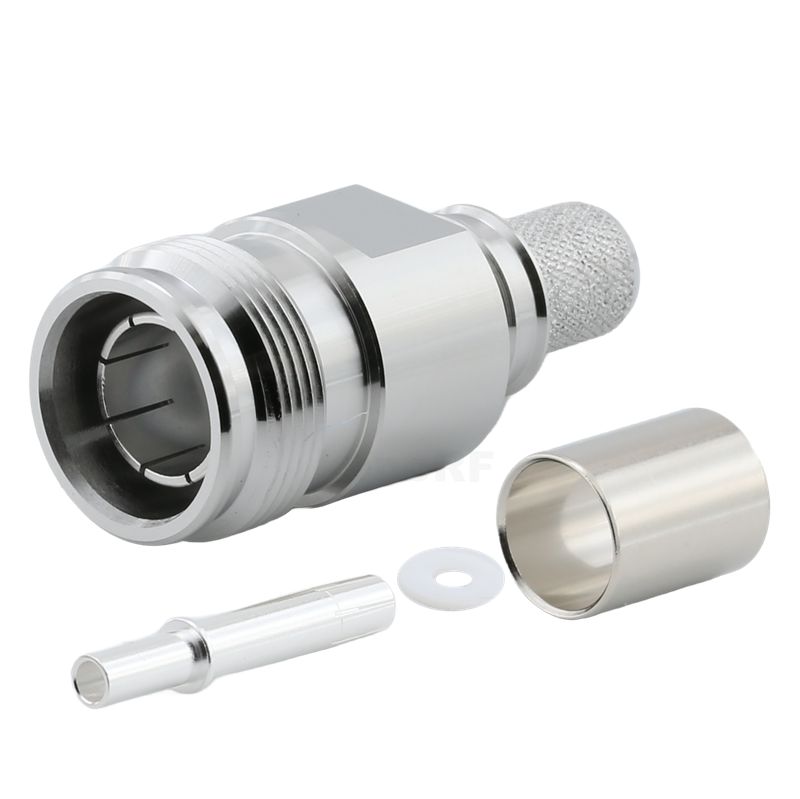
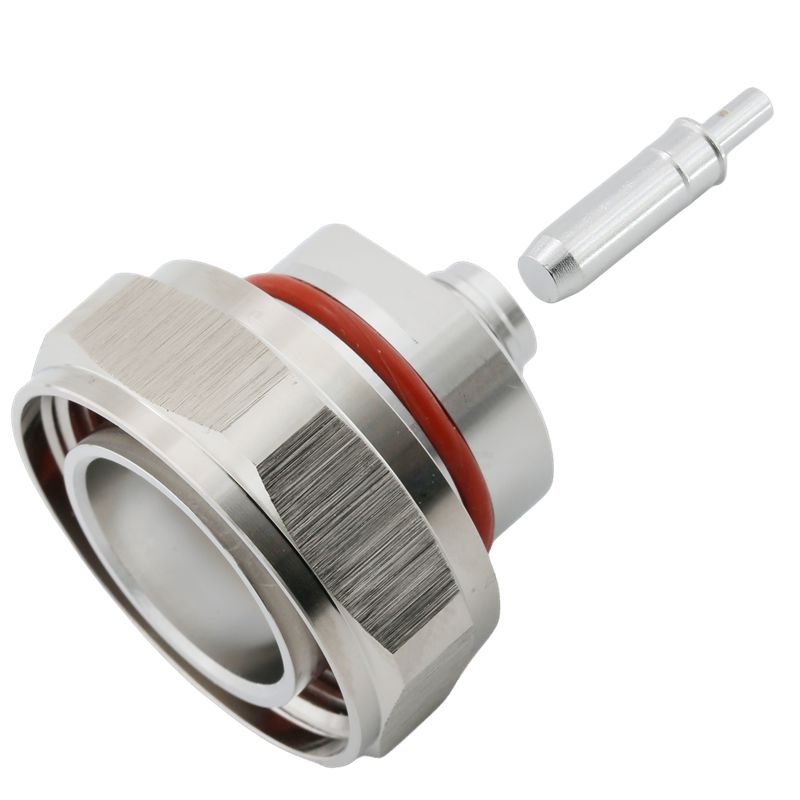
If you want the best low-PIM performance in new base stations, you should pick the 4.3-10 RF connector. This connector gives better electrical performance and lower PIM. It helps keep your signal strong and steady. Low-PIM is important because it stops unwanted interference. Interference can make network quality worse, especially for LTE and 5G. Here is how low-PIM affects your base station:
Key Point | Description |
Importance of Low PIM | Low PIM attenuators cut down unwanted signal interference in base stations. |
Impact on Signal Quality | High PIM can make signal quality and network reliability worse. |
Application | Needed for high-power uses like base stations. |
Picking the right connector makes installation simpler. It lets you have more connections. It also helps you get ready for future upgrades.
Key Takeaways
RF Connector Overview
4.3-10 Connector Features

You see 4.3/10 connectors in many new base stations. These connectors are smaller and lighter than older ones. They help you build networks with lots of cables. You can move them easily when you install them. The 4.3/10 connector fits well in tight spots. It lets you connect more cables in one place. This rf connector gives strong electrical performance. It works from DC up to 6 GHz. You can use it for many wireless systems. The connector gives low-pim values, so your signal has less interference. You also get high insulation resistance and low contact resistance. The coaxial connector design keeps your signal clear and steady. Here is a table with the main features:
Specification | 4.3/10 Connector |
Size | 40% smaller than 7/16 DIN |
Weight | Up to 60% lighter |
Frequency Range | DC to 6 GHz |
Impedance | 50 ohms |
PIM Performance | -166 dBc (2 x 20 W, 0.4 - 4 GHz) |
Insertion Loss | Maximum 0.05√(f (GHz)) dB |
7/16 DIN Connector Features

You find 7/16 din connectors in older base stations. These connectors are big and heavy. They handle high power and work well in tough places. The connector uses a large threaded coupling. It stays secure even when there is vibration. You get great pim performance, so your signal stays strong. The coax connector design uses big contact surfaces. This helps reduce heating. You often see this connector in transmitter sites and amplifier systems. Here is a comparison table:
Feature | 7/16 DIN Connector | 4.3/10 Connector |
Introduction | Longtime industry standard, robust and high power handling | Newer design focused on miniaturization and port density |
Power Handling | Up to 50 dBm (100 watts) | Comparable power handling, also around 50 dBm |
Size and Weight | Larger, heavier | Compact and lightweight |
Mechanical Coupling | Large threaded coupling, vibration resistant | Smaller coupling, space-constrained systems |
Frequency Range | Good impedance matching, VSWR ~1.4 | Broad frequency range (100 MHz to 6 GHz), low VSWR ~1.4 |
Typical Use Cases | Transmitter sites, amplifier systems | Modern cellular base stations, 5G infrastructure |
Importance of Low-PIM
You need low-pim connectors for wireless networks. Low-pim keeps your signal clean. It helps you avoid slow download or upload speeds. In 5G systems, pim can block channels and hurt performance. The industry uses IEC 62037 to measure pim levels. You should pick a coaxial connector with low-pim for your base station. This choice gives you reliable electrical performance. It helps your infrastructure stay strong.
Tip: Always check the pim rating of your rf connector before you install it in your base station.
Connector Comparison
PIM Performance
You want your rf connector to work well in wireless networks. PIM means passive intermodulation. It is unwanted signals that can harm your network. 4.3/10 connectors have lower pim than older connectors. These connectors use a special design. The electrical and mechanical parts are separated. This keeps the coaxial connector steady and lowers pim. You do not need to use a lot of force when installing. This helps you avoid mistakes that cause pim. The 4.3/10 connector gives steady performance for your base station. You see less interference and clearer signals. 7/16 din connectors also work well, but do not have the same low-pim features. Always check the pim rating before you install any connector.
Size and Weight
4.3/10 connectors are smaller and lighter than older ones. This makes them easy to use when installing. You can fit more connectors in small spaces. The small size helps you build base stations with more ports. You do not have to worry about heavy connectors hurting your cables. The lighter weight lets you move and install connectors fast. 7/16 din connectors are bigger and heavier. They take up more space and make installation harder. Pick a connector that fits your needs and makes your job easier.
Power Handling
Your rf connector must handle high power for good performance. The table below shows power ratings for 4.3/10 connectors:
Connector Type | Power Rating at 1 GHz | Power Rating at 2 GHz |
4.3-10 | 700 Watts | 500 Watts |
7/16 DIN | N/A | N/A |
4.3/10 connectors can handle high power levels. This makes them good for modern base stations. You can use these connectors in systems that need strong power. The coax connector design helps control power and stops overheating. Choose connectors that match your power needs and keep your system safe.
Port Density
You want to fit as many ports as possible in your base station. The small size of 4.3/10 connectors lets you put more coaxial contacts in one place. You can build assemblies that combine many connectors into one port. This design makes connectors closer together. You save space and make installation easier. Here are some benefits of higher port density:
You fit more connectors in small spaces.
You get more connections for your rf systems.
You make installation faster and easier.
You get your base station ready for future upgrades.
Using 4.3/10 connectors helps you grow your network. You can add more cells to your wireless system. This helps you manage bandwidth and keep service strong. You avoid problems with interference and signal loss. Older connectors may not let you have as many ports. Pick connectors that help your network grow and stay strong.
Practical Considerations
Installation and Handling
You want to install connectors fast and safely. 4.3/10 connectors make your work easier. You do not need much force to secure them. The design keeps electrical and mechanical parts apart. This helps the coaxial connector stay steady. It works well even if you do not tighten it all the way. You avoid mistakes that cause pim. 7/16 din connectors need more force. You must tighten them carefully for good performance. The table below shows the difference:
Connector Type | Torque Requirement | Design Features |
4.3-10 | Lower torque needed | Separation of electrical and mechanical mating planes, maintains performance even when not fully torqued |
7/16 DIN | Higher torque needed | Requires optimal contact for performance, no separation of mating planes |
You save time and make fewer errors with 4.3/10 connectors. You can use more coax connectors in small spaces.
Compatibility
Sometimes you need to connect new gear to old systems. Adapters help you join different connector types. You can find 4.3/10 DIN to 7/16 DIN adapters in stores. These adapters give strong, low-loss connections. You use them in telecom and broadcast systems. They keep your coaxial connections safe and steady.
4.3/10 DIN to 7/16 DIN adapters are easy to find.
Made for strong, low-loss connections.
Good for telecom and broadcast systems.
You can upgrade your wireless systems without changing all your rf connectors.
Future-Proofing
You want your system ready for new tech. 4.3/10 connectors let you have more ports and easier installs. The industry is moving toward these connectors. Mobile network operators face problems like pim and hard installs. 4.3/10 connectors help fix these issues. Switching from 7/16 din connectors to 4.3/10 connectors will take time. You get your base station ready for upgrades by picking connectors that support growth. The table below shows industry trends:
Feature | 4.3-10 Connectors | 7-16 DIN Connectors |
Space Requirement | 40% less | N/A |
Weight | 60% lighter | N/A |
Installation Complexity | Easier | High-torque needed |
PIM Issues | Reduced | Higher likelihood |
You build a system that can change with new wireless needs.
Cost and Durability
You want connectors that last and fit your budget. Both 4.3/10 connectors and 7/16 din connectors resist weather well. You see IP67-68 ratings for outdoor use. 4.3/10 connectors are made for more ports and easier tightening. 7/16 din connectors have a strong body and sealing system. You pick connectors based on where you use them and how much power you need. 4.3/10 connectors are easy to find and cost less for modern coaxial systems. You keep your system safe and steady.
Connector Type | Weather Resistance | Design Features | Use Cases |
4.3-10 | IP67-68 | Optimized for higher port density and easier torqueing | Suitable for outdoor use |
7/16 DIN | IP67-68 | Robust design with large body and sealing system | Preferred for high-power and legacy systems in outdoor installations |
Tip: Always check the durability rating of your rf connector before you use it outside.
Application Scenarios
When to Use 4.3-10 Connector
Pick the 4.3-10 connector for new base stations. It fits well where you need lots of ports. You can put many connectors in a small space. This connector works best when you want low PIM and strong signals. It is easy to handle because it needs less force. You can use it in 5G and LTE networks. The connector supports up to 6 GHz. You see it in new wireless setups. It helps you build networks that can grow. You can upgrade your system without changing all coaxial connectors.
Benefits of using 4.3-10 connector:
Compact connectors save space.
Fewer mistakes happen during installation.
You get steady performance in high-frequency bands.
Your network is ready to grow in the future.
Tip: Pick the 4.3-10 connector if you want more ports and less passive intermodulation.
When to Use 7/16 DIN Connector
Use 7/16 din connectors for older systems. These connectors work well when you need lots of power. You see them in outdoor setups. The connector is strong and stands up to bad weather. You can trust it for transmitter sites and amplifier systems. It handles shaking and keeps coaxial connections safe. Use this connector when you need tough performance and long-lasting parts.
Common scenarios for 7/16 din connectors:
Build base stations outside.
Use for high-power transmitters.
Upgrade old rf systems.
Pick a coax connector for rough conditions.
Scenario | Recommended Connector |
Dense indoor networks | 4.3-10 connector |
Outdoor high-power sites | 7/16 din connector |
New wireless communication | 4.3-10 connector |
Legacy upgrades | 7/16 din connector |
Note: Always choose the connector that fits your system’s power and weather needs.
You need to think about some main things before picking a connector for your base station. The table below shows how each connector type works:
Connector Type | Low PIM Performance | Power Handling Capability | Environmental Robustness |
DIN 4.3/10 | Yes | Moderate | Indoor |
DIN 7/16 | No | High | Outdoor |
The 4.3-10 connector gives you better low-PIM results. It is a good choice for new networks. The 7/16 DIN connector is strong and works well outside. It can handle more power. You should also think about what your network might need later. If you are not sure, you can ask a supplier for help picking the right connector.
FAQ
What is passive intermodulation (PIM) in a connector?
PIM happens when signals mix inside a connector. You see unwanted noise in your network. Low-PIM connectors help you avoid interference and keep your signal strong.
Can you use a 4.3-10 connector for outdoor installations?
You can use a 4.3-10 connector outside. It has weather resistance, like IP67 or IP68. This connector works well in rain, dust, and tough conditions.
How do you choose the right connector for your base station?
You look at power needs, port density, and space. Pick a connector that fits your system. The 4.3-10 connector works best for new networks with many ports.
Do you need special tools to install a 4.3-10 connector?
You do not need special tools. The 4.3-10 connector uses lower torque. You can install it quickly and avoid mistakes. This connector saves you time.
Can you connect old equipment to new connectors?
You can use adapters to join old and new connectors. For example, you connect a 7/16 DIN connector to a 4.3-10 connector. Adapters help you upgrade your system easily.